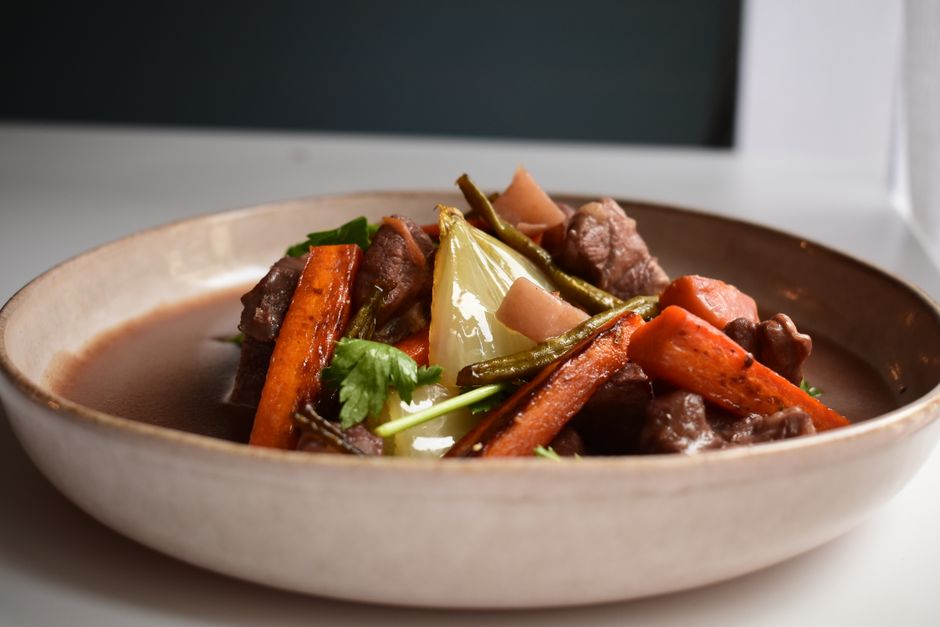
Classic Beef Stew with Exact Proportions for Family Dinners
Preparing a classic beef stew that reliably meets expectations begins with understanding the role of each ingredient and the importance of measured proportions. This recipe is structured around precise quantities of beef, vegetables, broth, and seasonings, allowing cooks to reproduce the same balance of flavors and textures with each preparation. Whether you are new to stew-making or seeking to refine a familiar process, the following guidance outlines a methodical approach that emphasizes clarity and consistency over improvisation.
The process is designed for family dinners, where a single pot should provide a satisfying and cohesive meal. By focusing on exact measurements and sequential steps, the recipe reduces variability and supports a predictable outcome. The information below is presented as a framework that can be adapted to different households and dietary preferences, while preserving the core ratios that define a classic beef stew.
Consistent results in stew-making come from observing proportions and managing heat and time, rather than from relying on guesswork or frequent adjustments.
Essential Ingredients and Exact Proportions
A classic beef stew relies on a balanced combination of meat, aromatic vegetables, liquid, and seasoning. The proportions provided here are intended for a standard family-sized pot, yielding approximately six servings. Using a kitchen scale for solid ingredients and measuring cups for liquids can help maintain accuracy. The beef should be a stewing cut such as chuck, known for its connective tissue that breaks down during slow cooking. Vegetables are cut into uniform pieces to promote even cooking, and the broth serves as the primary liquid, contributing both moisture and depth.
- 2 pounds (about 900 g) beef chuck, trimmed and cut into 1-inch cubes
- 2 tablespoons all-purpose flour (for optional dusting)
- 2 tablespoons vegetable oil or another neutral oil
- 1 large onion (about 8 ounces), chopped
- 3 medium carrots (about 8 ounces), peeled and cut into 1-inch pieces
- 3 medium potatoes (about 1 pound), peeled and cut into 1-inch cubes
- 2 celery stalks (about 4 ounces), sliced
- 3 cloves garlic, minced
- 4 cups (32 fluid ounces) low-sodium beef broth
- 1 cup (8 fluid ounces) water, or as needed
- 2 tablespoons tomato paste
- 1 teaspoon dried thyme
- 2 bay leaves
- 1 teaspoon salt, plus more to taste
- 1/2 teaspoon black pepper, plus more to taste
- 1 cup frozen peas, optional, added near the end of cooking
These quantities are provided as a baseline. Adjustments for altitude, pot size, and personal preference may influence the final result, but starting with these exact proportions offers a reliable reference point. The use of low-sodium broth allows for greater control over seasoning, and the optional flour dusting can contribute to a slightly thicker consistency. It is advisable to prepare all ingredients before beginning the cooking process, as the steps proceed in a timely sequence.
Step-by-Step Cooking Process
Begin by patting the beef cubes dry with paper towels, which helps promote browning. If using flour, toss the beef with the flour until lightly coated, shaking off any excess. Heat the oil in a large Dutch oven or heavy-bottomed pot over medium-high heat. Working in batches to avoid crowding, brown the beef on all sides, about 3 to 4 minutes per batch. Transfer the browned beef to a plate and set aside. The browning step contributes color and flavor to the stew, though it is not strictly required for safety; skipping it will yield a lighter-colored stew with a different flavor profile.
Reduce the heat to medium and add the onion, carrots, and celery to the pot. Cook, stirring occasionally, until the vegetables begin to soften, about 5 minutes. Add the garlic and tomato paste, and cook for 1 minute more, stirring to combine. Return the beef to the pot, then add the beef broth, water, thyme, bay leaves, salt, and pepper. Bring the mixture to a gentle boil, then reduce the heat to low, cover, and simmer for 1.5 hours, or until the beef is nearly tender. Stir occasionally to ensure even cooking.
Add the potatoes and continue to simmer, covered, for an additional 30 to 40 minutes, or until both the beef and potatoes are tender when pierced with a fork. If using peas, stir them in during the last 5 minutes of cooking. Remove the bay leaves before serving. Taste and adjust seasoning with additional salt and pepper if desired. The total cooking time may vary depending on the cut of beef and the size of the pieces, so tenderness should be the primary indicator rather than strict adherence to time.
Techniques for Consistent Texture and Flavor
Achieving a consistent texture involves attention to several variables. Cutting the beef and vegetables into uniform sizes promotes even cooking, preventing some pieces from becoming overly soft while others remain firm. Maintaining a gentle simmer rather than a rapid boil helps keep the meat tender and prevents the vegetables from breaking apart. Stirring occasionally, rather than constantly, allows the stew to develop flavor without disturbing the ingredients too much. If the liquid reduces too much during cooking, additional broth or water can be added in small increments to maintain the desired consistency.
Flavor balance can be influenced by the order in which ingredients are added. Browning the beef and sautéing the aromatics create a base layer of flavor. Tomato paste adds depth and a slight sweetness, while thyme and bay leaves contribute herbal notes. Salt should be added gradually, tasting at the end of cooking, as the reduction of liquid can concentrate the seasoning. The use of low-sodium broth provides a buffer, allowing the cook to fine-tune the final taste. For those who prefer a thicker stew, the flour dusting or the natural starch from the potatoes can help, though results may vary based on cooking time and temperature.
Consistency is supported by recording observations—such as cooking time, heat level, and ingredient brands—so that future preparations can be adjusted methodically.
Adapting the Recipe and Final Considerations
This recipe serves as a flexible framework that can be adjusted to accommodate different preferences and dietary needs. The proportions of meat to vegetables can be altered, though maintaining the overall liquid volume is important to ensure proper cooking. Root vegetables such as parsnips or turnips can be substituted for some of the potatoes, and the seasoning can be varied with the addition of herbs like rosemary or a pinch of smoked paprika. When making substitutions, it is helpful to consider how each ingredient affects cooking time and moisture content. For example, denser vegetables may require a longer simmer, while ingredients with high water content may release additional liquid.
Family dinners often involve varying schedules and appetites, so the stew can be held on low heat for a short period before serving, or cooled and refrigerated for up to three days. Reheating should be done gently, with a splash of broth if needed to loosen the consistency. The recipe is designed to be approachable and repeatable, with outcomes that depend on the quality of ingredients, equipment, and attention to the process. Hearth & Ladle encourages cooks to view the proportions as a starting point and to document their own adjustments for future reference. By focusing on method and measurement, the preparation of a classic beef stew becomes a reliable part of home cooking.